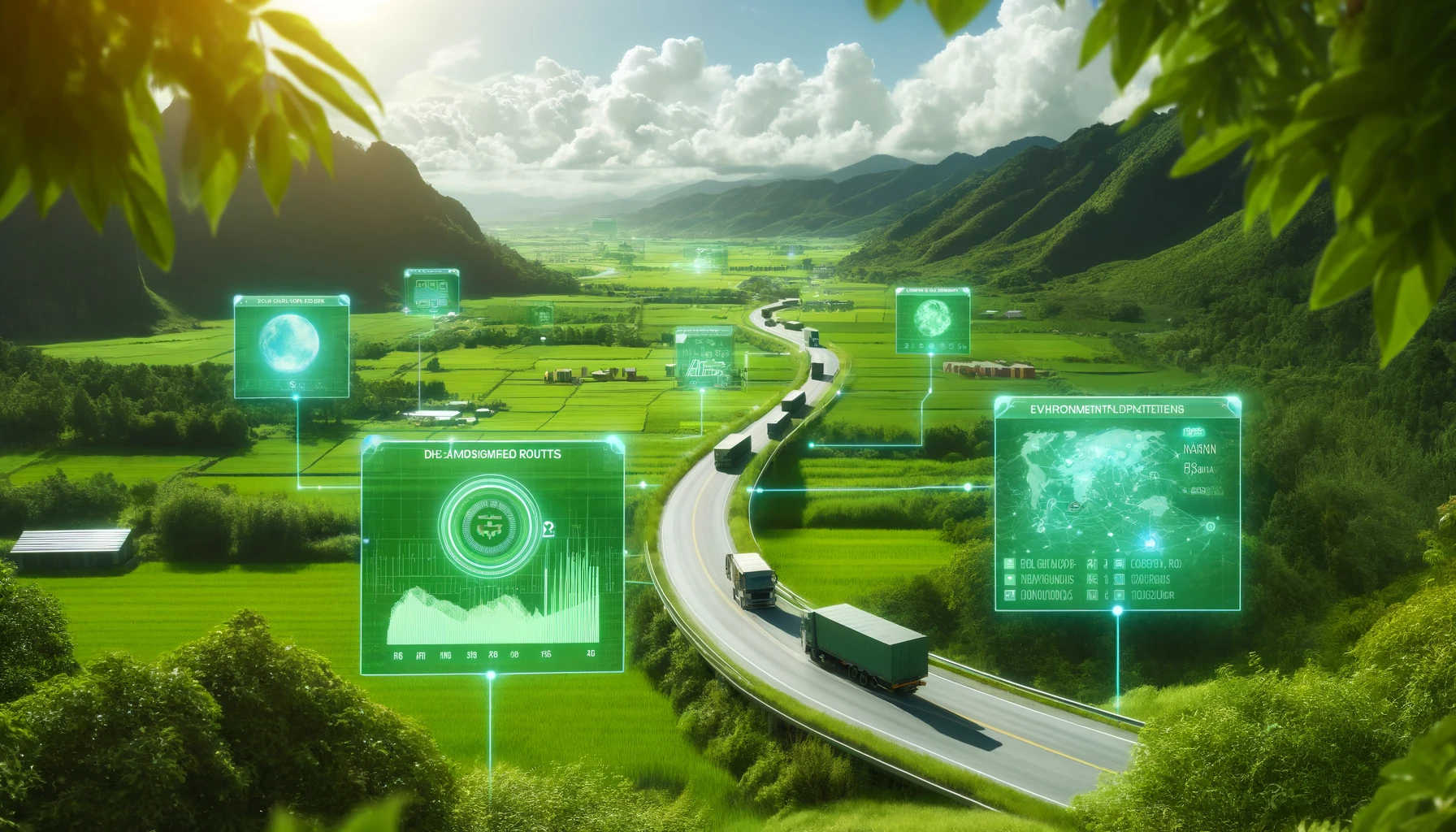
Sustainability is no longer optional; it???s essential for both businesses and the planet. As climate change intensifies, companies are recognising that long-term success depends on integrating sustainable practices. This shift requires rethinking business models to not only reduce environmental impact but also maintain profitability. From AI-powered solutions in logistics to ethical sourcing and energy optimisation, businesses can enhance efficiency and meet rising consumer and investor demands for eco-conscious practices. Explore how sustainability and innovation intersect to shape a profitable, responsible future.

Generative AI is revolutionising facilities management by offering innovative solutions to complex challenges. From generating optimised building layouts to automating routine tasks, this technology allows facility managers to focus on strategic, high-value activities. At Integrum Global, we emphasise a collaborative approach between human expertise and AI, ensuring that our Gen AI solutions are transparent, intuitive, and aligned with specific operational goals. By combining human creativity with AI’s computational power, facilities management is entering a new era of efficiency, innovation, and sustainability.

The rapid rise of artificial intelligence is revolutionising industries and fundamentally changing the skills needed for success in the 21st century. With automation taking over traditional roles and new positions requiring specialised expertise, both individuals and organisations must prioritise upskilling and reskilling to remain competitive. This article explores the importance of embracing continuous learning, focusing not only on technical skills but also on soft skills like critical thinking and adaptability, which are becoming increasingly valuable in an AI-driven world. As the future of work demands agility and innovation, upskilling emerges as a critical strategy for thriving in the AI age.

Artificial Intelligence (AI) is revolutionising how cities address the climate crisis by transforming urban areas into low-carbon, sustainable hubs. From optimising energy use with AI-powered smart grids to enhancing waste management systems with intelligent sorting and collection, AI is helping cities reduce their carbon footprint. Additionally, AI’s role in urban planning and infrastructure maintenance is paving the way for more resilient and efficient cities. Integrum Global is committed to leveraging AI to provide city planners with data-driven insights to foster sustainable urban development and create greener, smarter cities for the future.
Sustainability is no longer optional; it???s essential for both businesses and the planet. As climate change intensifies, companies are recognising that long-term success depends on integrating sustainable practices. This shift requires rethinking business models to not only reduce environmental impact but also maintain profitability. From AI-powered solutions in logistics to ethical sourcing and energy optimisation, businesses can enhance efficiency and meet rising consumer and investor demands for eco-conscious practices. Explore how sustainability and innovation intersect to shape a profitable, responsible future.

Generative AI is revolutionising facilities management by offering innovative solutions to complex challenges. From generating optimised building layouts to automating routine tasks, this technology allows facility managers to focus on strategic, high-value activities. At Integrum Global, we emphasise a collaborative approach between human expertise and AI, ensuring that our Gen AI solutions are transparent, intuitive, and aligned with specific operational goals. By combining human creativity with AI’s computational power, facilities management is entering a new era of efficiency, innovation, and sustainability.
The rapid rise of artificial intelligence is revolutionising industries and fundamentally changing the skills needed for success in the 21st century. With automation taking over traditional roles and new positions requiring specialised expertise, both individuals and organisations must prioritise upskilling and reskilling to remain competitive. This article explores the importance of embracing continuous learning, focusing not only on technical skills but also on soft skills like critical thinking and adaptability, which are becoming increasingly valuable in an AI-driven world. As the future of work demands agility and innovation, upskilling emerges as a critical strategy for thriving in the AI age.