Imagine a city where AI-powered smart grids dynamically balance energy supply and demand, ensuring that renewable energy sources are utilised efficiently and minimising reliance on fossil fuels. Or a city where smart traffic management systems analyse real-time traffic data to optimise traffic flow, reducing congestion and improving air quality.
These can be made possible with the help of artificial intelligence (AI). Cities have been at the forefront of the climate crisis, responsible for a significant portion of global greenhouse gas emissions. However, they also hold the key to creating a more sustainable future. AI plays a crucial role in transforming cities into low-carbon hubs, optimising energy use, transportation, waste management, and resource allocation.
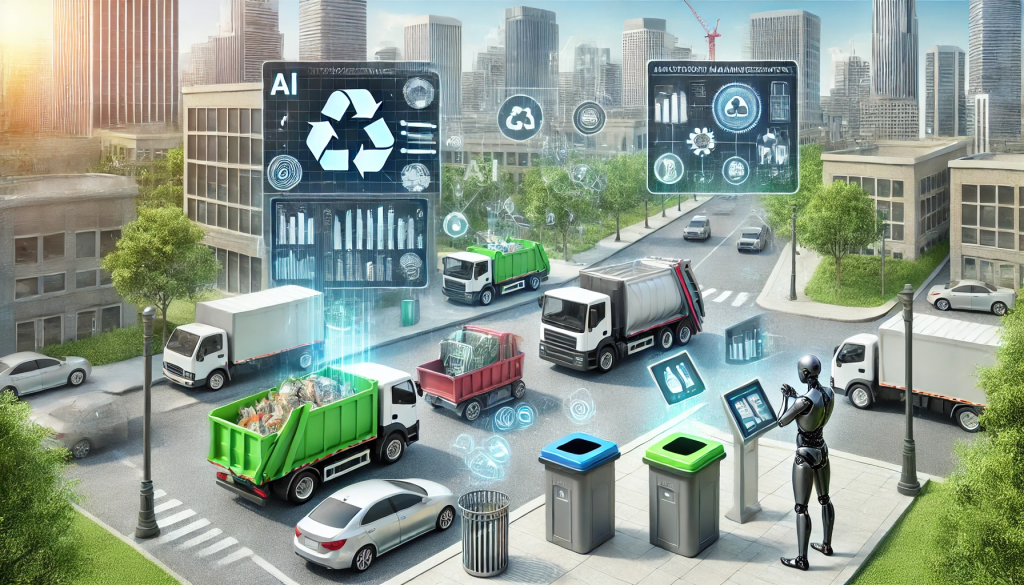
AI can also revolutionise waste management in cities. For example, smart waste bins equipped with sensors can monitor fill levels and optimise collection routes, reducing unnecessary trips and fuel consumption. AI-powered sorting systems can also improve recycling rates by accurately identifying and separating different types of waste. This makes waste management systems in cities more efficient while contributing to a cleaner urban environment.
Urban planning is also another aspect that can benefit from the capabilities of AI. By analysing data on land use, transportation patterns, and environmental impact, AI can help planners design cities that are more sustainable, liveable, and resilient. This could involve identifying optimal locations for green spaces, renewable energy infrastructure, and public transportation systems.
AI’s potential in achieving sustainability is not limited to city management alone. AI-driven predictive maintenance can be applied to public infrastructure, reducing the risk of system failures and prolonging the lifespan of assets. Additionally, AI can optimise energy consumption in buildings by learning and predicting usage patterns, thereby reducing energy wastage and enhancing efficiency.
At Integrum Global, we recognise that the journey to low-carbon cities is complex and multifaceted. By leveraging the power of AI, our AI-driven solutions are designed to provide city planners and policymakers with the data-driven insights they need to make informed decisions to create more sustainable cities. In tandem with working with the global community, we strive to champion the ethical and sustainable development and deployment of AI solutions, ensuring fairness and transparency in AI usage. By leveraging AI’s analytical capabilities, we can help cities optimise their operations, reduce their carbon footprint, and create a more sustainable future for all residents.