
Skip to content

The AI-Powered Building: Elevating Occupant Experience and Operational Efficiency

The AI-Powered Building: Elevating Occupant Experience and Operational Efficiency | Integrum Global
AI is transforming modern buildings into intelligent ecosystems that prioritise occupant comfort, operational efficiency, and sustainability. By analysing data from sensors and management systems, AI can optimise energy usage, predict maintenance needs, and personalise environments to individual preferences. These advancements not only enhance the occupant experience but also significantly reduce energy costs and carbon footprints. As AI evolves, its seamless integration into building operations is creating more responsive and sustainable spaces. Integrum Global is at the forefront, ensuring that AI solutions are human-centric, responsible, and ethically deployed for a sustainable future.

Modern buildings are evolving into intelligent ecosystems, driven by the transformative power of artificial intelligence (AI). These spaces prioritise occupant well-being, operational efficiency, and sustainability, going far beyond the basics of automated lighting and thermostats.

The core of this transformation lies in AI’s ability to learn and adapt. By analysing vast amounts of data from sensors, building management systems, and occupant behaviour patterns, AI algorithms can identify optimisation opportunities that were previously hidden. For example, AI can predict when Heating, Ventilation, and Air Conditioning (HVAC) systems need maintenance, adjust lighting levels based on occupancy, and even personalise temperature settings for individual preferences. These contribute to a more comfortable and productive environment, enhancing the overall occupant experience.

The AI-Powered Building: Elevating Occupant Experience and Operational Efficiency | Integrum Global
AI is able to analyse a wide range of factors to anticipate and cater to individual needs. Image source: Shutterstock

Promising significant cost savings and reduction in environmental impact, AI-powered buildings can automatically adjust energy usage based on occupancy levels, weather conditions, and time of day. This not only results in significant energy savings but also contributes to sustainability efforts by reducing the carbon footprint of buildings. AI systems can identify energy waste, propose efficiency improvements, and even manage renewable energy sources to optimise overall energy consumption..

Furthermore, AI is transforming how we interact with buildings. Smart building platforms can provide occupants with personalised recommendations for amenities and services, real-time information on building occupancy and air quality, and even allow them to control their environment through mobile apps. These interactions make buildings more responsive and adaptive to the needs of their users, promoting a more conducive living and working environment.

The AI-Powered Building: Elevating Occupant Experience and Operational Efficiency | Integrum Global
Occupants can control the environment around them easily through applications on their smart devices. Image source: Shutterstock

The future of smart buildings lies in the seamless integration of AI into every aspect of building design, operation, and management. 

Companies like Integrum are at the forefront of this transformation, recognising that the most effective AI solutions are those that prioritise the human experience. Integrum’s human-centric approach ensures that AI is used to augment, not replace, human expertise. Our platforms empower facility managers with data-driven insights and predictive analytics, allowing them to make informed decisions that optimise building performance and enhance occupant satisfaction.

The AI-Powered Building: Elevating Occupant Experience and Operational Efficiency | Integrum Global
AI complements the work we do, so that we can make decisions that better optimise our performance. Image source: Freepik

At Integrum Global, we work with the global community to champion the ethical and sustainable development and deployment of AI solutions. By collaborating with various stakeholders, Integrum ensures that our AI technologies are used responsibly and ethically, fostering trust and promoting long-term sustainability in the industry. This commitment to community involvement reflects our dedication to not only advancing technology but also to benefiting society as a whole.

As AI continues to evolve, the potential for creating intelligent, responsive, and sustainable building ecosystems becomes increasingly attainable. By fostering collaboration and ensuring responsible AI practices, Integrum aims to shape a future where smart buildings contribute to a more sustainable and connected world.

Picture of Integrum Global

Integrum Global

More Integrum INsights

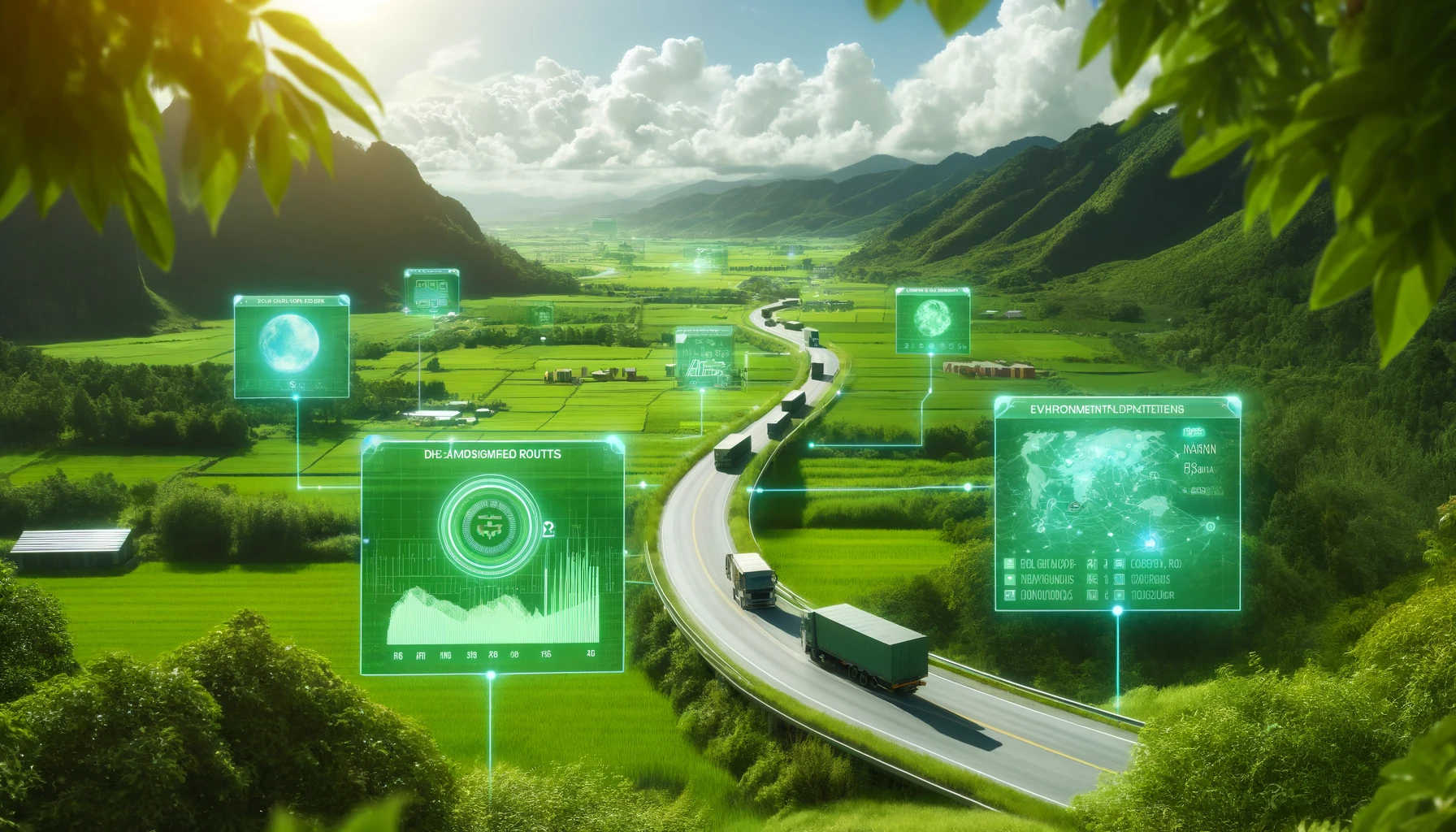
AI and Sustainability: Building a Greener Logistics Future | Integrum Global

AI and Sustainability: Building a Greener Logistics Future

Sustainability is no longer optional; it???s essential for both businesses and the planet. As climate change intensifies, companies are recognising that long-term success depends on integrating sustainable practices. This shift requires rethinking business models to not only reduce environmental impact but also maintain profitability. From AI-powered solutions in logistics to ethical sourcing and energy optimisation, businesses can enhance efficiency and meet rising consumer and investor demands for eco-conscious practices. Explore how sustainability and innovation intersect to shape a profitable, responsible future.

Generative AI in Facilities Management: A Collaborative Approach to Innovation | Integrum Global

Generative AI in Facilities Management: A Collaborative Approach to Innovation

Generative AI is revolutionising facilities management by offering innovative solutions to complex challenges. From generating optimised building layouts to automating routine tasks, this technology allows facility managers to focus on strategic, high-value activities. At Integrum Global, we emphasise a collaborative approach between human expertise and AI, ensuring that our Gen AI solutions are transparent, intuitive, and aligned with specific operational goals. By combining human creativity with AI’s computational power, facilities management is entering a new era of efficiency, innovation, and sustainability.

Navigating the Changing Landscape of Work: The Importance of Upskilling in the AI Age | Integrum Global

Navigating the Changing Landscape of Work:?? The Importance of Upskilling in the AI Age

The rapid rise of artificial intelligence is revolutionising industries and fundamentally changing the skills needed for success in the 21st century. With automation taking over traditional roles and new positions requiring specialised expertise, both individuals and organisations must prioritise upskilling and reskilling to remain competitive. This article explores the importance of embracing continuous learning, focusing not only on technical skills but also on soft skills like critical thinking and adaptability, which are becoming increasingly valuable in an AI-driven world. As the future of work demands agility and innovation, upskilling emerges as a critical strategy for thriving in the AI age.

Building Low-Carbon Cities: The Role of AI in Urban Sustainability | Integrum Global

Building Low-Carbon Cities: The Role of AI in Urban Sustainability

Artificial Intelligence (AI) is revolutionising how cities address the climate crisis by transforming urban areas into low-carbon, sustainable hubs. From optimising energy use with AI-powered smart grids to enhancing waste management systems with intelligent sorting and collection, AI is helping cities reduce their carbon footprint. Additionally, AI’s role in urban planning and infrastructure maintenance is paving the way for more resilient and efficient cities. Integrum Global is committed to leveraging AI to provide city planners with data-driven insights to foster sustainable urban development and create greener, smarter cities for the future.
More Integrum Insights

AI and Sustainability: Building a Greener Logistics Future | Integrum Global

AI and Sustainability: Building a Greener Logistics Future

Sustainability is no longer optional; it???s essential for both businesses and the planet. As climate change intensifies, companies are recognising that long-term success depends on integrating sustainable practices. This shift requires rethinking business models to not only reduce environmental impact but also maintain profitability. From AI-powered solutions in logistics to ethical sourcing and energy optimisation, businesses can enhance efficiency and meet rising consumer and investor demands for eco-conscious practices. Explore how sustainability and innovation intersect to shape a profitable, responsible future.

Generative AI in Facilities Management: A Collaborative Approach to Innovation | Integrum Global

Generative AI in Facilities Management: A Collaborative Approach to Innovation

Generative AI is revolutionising facilities management by offering innovative solutions to complex challenges. From generating optimised building layouts to automating routine tasks, this technology allows facility managers to focus on strategic, high-value activities. At Integrum Global, we emphasise a collaborative approach between human expertise and AI, ensuring that our Gen AI solutions are transparent, intuitive, and aligned with specific operational goals. By combining human creativity with AI’s computational power, facilities management is entering a new era of efficiency, innovation, and sustainability.
Navigating the Changing Landscape of Work: The Importance of Upskilling in the AI Age | Integrum Global

Navigating the Changing Landscape of Work:?? The Importance of Upskilling in the AI Age

The rapid rise of artificial intelligence is revolutionising industries and fundamentally changing the skills needed for success in the 21st century. With automation taking over traditional roles and new positions requiring specialised expertise, both individuals and organisations must prioritise upskilling and reskilling to remain competitive. This article explores the importance of embracing continuous learning, focusing not only on technical skills but also on soft skills like critical thinking and adaptability, which are becoming increasingly valuable in an AI-driven world. As the future of work demands agility and innovation, upskilling emerges as a critical strategy for thriving in the AI age.

Ready to Embark on your Digital Transformation?